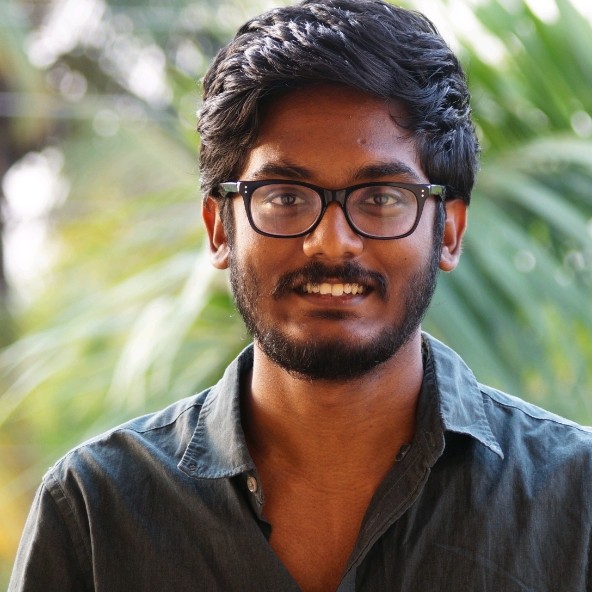

I've always been proud of my skill of remembering minute details from a movie, names of actors, details of their career and what not. I think everyone has some kind of quirky obsession that defines them - we would all forget a concept for an exam rather than the names of hundreds of movie characters or movie plots.
Keeping that in mind, let's talk about something else. I sort of figured out a lifestyle that worked out for me for about 6 years starting from school to college during which I thought "Oh I'm a genius, I don't have to toil everyday, I play around binge watching TV series and just about a day or so before I had some kind of deadline (a test, a project, an assignment), I work hard, mug up, deliver something that looks better than work done by a person who worked regularly".
The Comfortable Lie of Last-Minute Genius
This pattern became my identity. The thrill of pulling all-nighters, the rush of completing assignments hours before submission, the satisfaction of outperforming peers who studied regularly - it all fed into this narrative that I was somehow special. Different. More efficient.
But life has a way of humbling you.
When Reality Hits Hard
During my preparation for GATE (Graduate Aptitude Test in Engineering), everything changed. A skull fracture from an accident impacted my memory significantly. Suddenly, the tricks that had carried me through years of academic success were failing me. The information that once stuck effortlessly now slipped away like water through fingers.
This wasn't just about losing a competitive edge - it was about confronting the uncomfortable truth that my previous methods were built on borrowed time and circumstantial advantages, not on sustainable learning practices.
Reconstructing the Machine
Faced with this new reality, I had to completely rebuild my approach to learning. The process was both humbling and illuminating:
Deleting the Distractions
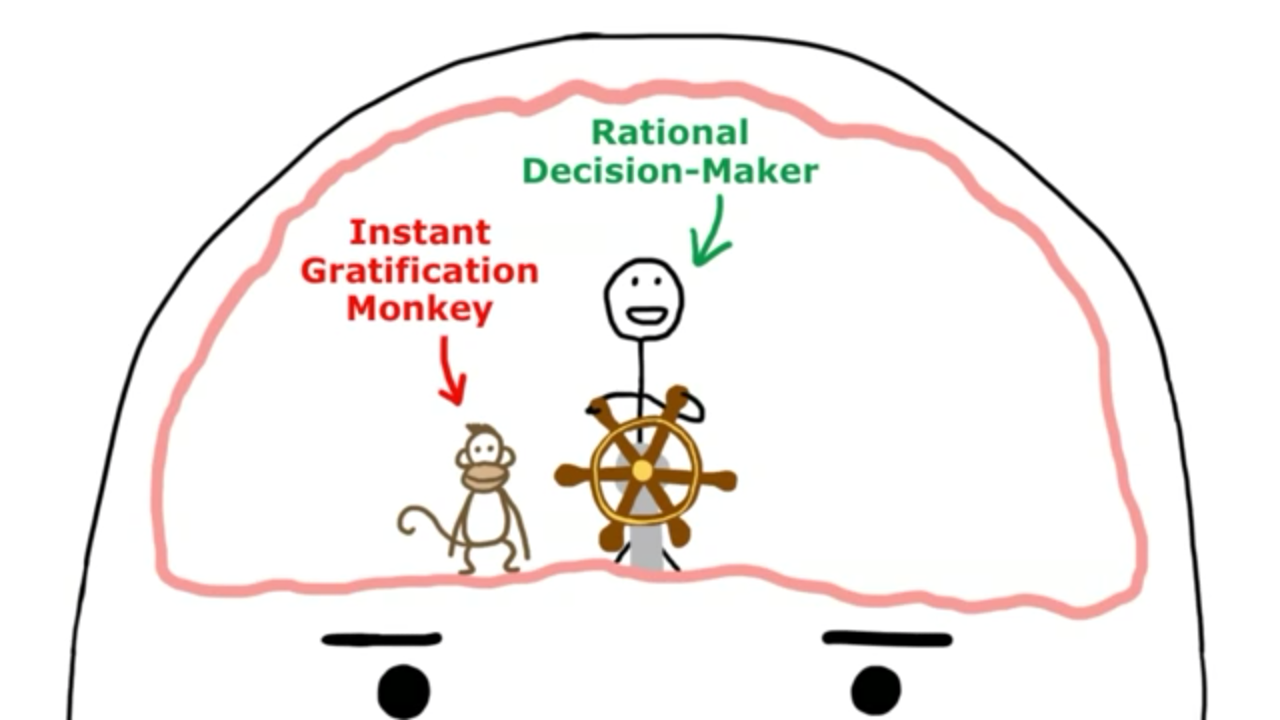
First came the digital purge. Every game, every streaming app, every source of instant gratification had to go. The phone that once provided endless entertainment became a tool focused solely on learning.
Embracing the Flashcard Revolution
I discovered the power of spaced repetition and active recall. Flash cards became my new obsession - not the old-fashioned paper ones, but digital systems that could track my progress and adapt to my learning patterns.
Video Lectures as Lifelines
When traditional textbooks felt overwhelming, video lectures became my bridge to understanding. They provided the repetition my injured brain needed and the visual context that helped concepts stick.
The Philosophy of Systematic Failure
What I learned during this period wasn't just about study techniques - it was about the fundamental difference between intelligence and wisdom, between talent and skill, between quick wins and lasting success.
80% of successful people weren't talented - they worked their asses off like there was no tomorrow.
This realization was both devastating and liberating. Devastating because it shattered my identity as someone who succeeded through natural ability. Liberating because it meant success was within my control, regardless of circumstances.
Hard Work as the Ultimate Hack
The traditional advice "hardwork is the key to success" sounds cliché until you experience its truth firsthand. But it's not just about working hard - it's about working systematically, consistently, and with purpose.
My GATE preparation taught me that:
- Consistency beats intensity - Daily practice trumps marathon cramming sessions
- Understanding beats memorization - Deep comprehension creates lasting knowledge
- Systems beat motivation - Good habits work even when you don't feel like it
- Failure is data - Each mistake teaches you something about the process
Brainwashing Yourself into Better Patterns
The title isn't just provocative - it's literal. I had to systematically reprogram my brain's reward systems, my study habits, my relationship with difficulty and delayed gratification.
This wasn't about positive thinking or motivational mantras. It was about creating environmental conditions that made good choices easier and bad choices harder. It was about designing systems that worked with my psychology, not against it.
The Void Teaches Patience
Looking back, that period of struggle was necessary. The accident that impaired my memory also forced me to develop more robust learning strategies. The failure of my old methods created space for better ones.
Sometimes you need to break down completely before you can build something better. Sometimes the void isn't empty - it's waiting to be filled with more intentional choices.
The GATE exam was just the beginning. The real victory was discovering that sustainable success isn't about being special - it's about being systematic.
This post was originally written during my GATE preparation journey in 2017. The lessons learned during this period continue to shape my approach to learning and personal development.